 by
by A Deep Dive Into Faith, Politics, and Identity in the Modern World
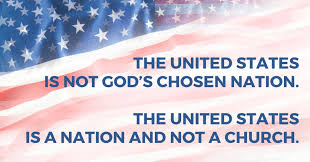
Christian Nationalism is a term that has surged into the public consciousness in recent years, catalyzing fierce debates and reflections on the relationship between religion and state, identity and belonging, and the meaning of democracy in pluralistic societies. But what exactly is Christian Nationalism? Where did it come from, how does it manifest, and why does it matter now more than ever? This blog seeks to unpack the complexity of Christian Nationalism, offering a nuanced exploration of its roots, ideologies, criticisms, and contemporary significance.
What Is Christian Nationalism?
Christian Nationalism is, at its core, an ideology that advocates for the fusion of Christian identity and values with the identity of a nation-state. It is the belief that a country—often explicitly the United States but also present in other nations—should be defined by, governed according to, and representative of Christian principles. Supporters of Christian Nationalism often argue that their nation was founded on Christian values and that its legal and cultural frameworks should reflect this heritage.
Importantly, Christian Nationalism is not simply the personal faith of a majority population nor the benign coexistence of religion and civic life. Instead, it is a political movement that seeks to formally privilege Christianity in public institutions, laws, and cultural norms. This distinction is crucial in understanding both its appeal and its controversies.
Historical Origins and Development
The roots of Christian Nationalism can be traced back centuries, intertwining with the histories of nation-building and religious movements. In the United States, for instance, the concept is often linked to notions of “Manifest Destiny,” the belief in the divine right of Americans to expand across the continent. Early settlers, many of whom were fleeing religious persecution, often viewed their colonial projects as divinely ordained.
Throughout American history, references to Christian values, biblical imagery, and providential mission have shaped national rhetoric and policy. The incorporation of “In God We Trust” on currency and the phrase “under God” in the Pledge of Allegiance reflect ways religious language has become embedded in civic culture.
Globally, Christian Nationalist movements have surfaced in varying forms: from the rise of Orthodox Christian identity in Russia, to Catholic-infused nationalist movements in countries like Poland and Hungary, to Protestant-driven political agendas in parts of Africa and Latin America. Each context colors the ideology with local history, but the underlying principle remains: Christianity is positioned as central to national identity.
Core Beliefs and Practices
At the heart of Christian Nationalism are several recurring themes:
- Divine Favor and Destiny: The belief that a nation is uniquely favored or chosen by God, often with a special mission to uphold or spread Christian values.
- Integration of Church and State: Advocacy for policies, laws, and public expressions that enshrine Christian beliefs in government functions. This may include prayer in public schools, opposition to secularism, and resistance to religious pluralism.
- Exclusivist National Identity: The idea that true citizenship or national belonging is closely tied to Christian faith, sometimes leading to the marginalization of religious minorities or secular citizens.
- Traditionalism and Moral Order: Emphasis on traditional family structures, morality, and social norms aligned with conservative interpretations of Christianity.
- Use of Religious Symbols and Rhetoric: The frequent invocation of Christian symbols, language, and history in political discourse and national ceremonies.
Christian Nationalism vs. Civil Religion
It is important to differentiate Christian Nationalism from the concept of civil religion, which refers to the ceremonial use of religious symbols and language to foster unity and shared values in a diverse society. While civil religion can include Christian elements, it does not seek to establish Christianity as the official or dominant faith of the nation. Christian Nationalism, by contrast, pushes for a more explicit and institutionalized merging of Christianity and national identity.
Critiques and Controversies
Christian Nationalism is a deeply polarizing topic, attracting criticism from a wide array of voices both within and outside religious communities. Critics argue that the ideology:
- Threatens Pluralism: By elevating one religious tradition, Christian Nationalism undermines the principles of religious freedom and equal citizenship for all, regardless of faith.
- Distorts Christianity: Many Christian leaders and theologians contend that Christian Nationalism misrepresents the teachings of Jesus, who spoke of a kingdom “not of this world” and prioritized love, humility, and service over political power.
- Fuels Division and Exclusion: The movement is often linked to increased social polarization, xenophobia, and the marginalization or demonization of minorities, including immigrants, non-Christians, and LGBTQ+ individuals.
- Encourages Authoritarianism: There is concern that Christian Nationalist rhetoric can be used to justify undemocratic practices, from restricting dissent to curtailing the rights of minorities in the name of religious or national purity.
The Appeal and Political Influence of Christian Nationalism
Despite (or because of) its controversies, Christian Nationalism has significant appeal among certain segments of the population. For many, the ideology offers a sense of identity, belonging, and certainty in a rapidly changing world. In the U.S., for example, the blending of national and religious identity may evoke nostalgia for a perceived “golden age” and fear of cultural erosion.
Politically, Christian Nationalism has had measurable influence. It often fuels campaigns and policy agendas around education, reproductive rights, LGBTQ+ rights, immigration, and religious liberty. Politicians may court Christian Nationalist voters by appealing to religious history, invoking biblical themes, or promising to enact faith-based legislation.
Christian Nationalism in the 21st Century
The early 21st century witnessed the resurgence of Christian Nationalist rhetoric in multiple countries. In the U.S., the movement has been linked to major political events, including the rise of the “Religious Right,” debates over church-state separation, and the storming of the U.S. Capitol on January 6, 2021, where religious symbolism was conspicuous among some participants.
Elsewhere, right-wing movements in Europe and Latin America have invoked Christian heritage to justify policies on immigration, national sovereignty, and social conservatism. In Russia, the government has increasingly allied itself with the Orthodox Church to bolster national identity and legitimize political authority.
Christian Nationalism and Democracy
A central question in discussions about Christian Nationalism is its compatibility with liberal democracy. Supporters argue that the nation’s Christian heritage is foundational and should be protected; critics warn that privileging one faith undermines the democratic values of equality and pluralism.
The challenge is to balance respect for religious conviction with the need to maintain a civic space that is open, inclusive, and fair to all citizens. Healthy democracies depend on the peaceful coexistence of diverse beliefs and identities, and on institutions that protect the rights of minorities as well as majorities.
Responses and Alternatives
Religious and secular leaders alike have called for alternatives to Christian Nationalism that affirm both faith and pluralism. Many Christian communities emphasize the importance of public engagement grounded in humility, justice, and care for the marginalized. Interfaith initiatives, civic education, and dialogue across differences are vital tools for building societies where people of all backgrounds can flourish.
Conclusion: Navigating Faith and Nationhood
Christian Nationalism is a powerful and controversial force, shaping political landscapes and cultural debates around the world. Understanding its history, principles, and impact is essential for anyone seeking to navigate the intersections of faith, identity, and citizenship in a globalized world.
As societies continue to grapple with questions of belonging, values, and governance, the conversation about Christian Nationalism will remain urgent and unresolved. By fostering informed dialogue and mutual respect, we can strive toward communities that honor both the deep commitments of faith and the inclusive ideals of democracy.
GNP
 Glenda Norwood Petz, Author
Leave a comment