 by
by A Journey Through the Structures, Principles, and Processes That Uphold the Rule of Law
**Before getting into the gist of the article, it’s important for you, the reader, to understand that my entire career was dedicated to serving in the field of law enforcement. I served thirty years working mostly in the criminal division of the system, but also in the judicial branch. It was a pleasure to serve in a field that protects everyday citizens like you and me against crimes and travesties of justice. A democratic system that is in place (for now) to ensure that EVERYONE receives the due process they’re entitled to, regardless of their citizenship status or the level of the crime they’re accused of committing.
The constant barrage of attacks against our courts, attorneys, judges, and everyone else whose job it is to uphold the law is not only sickening, but it is also extremely dangerous, and has resulted in multiple death threats against judiciary officials, and the murder of the only child of a sitting federal judge. We MUST do better at protecting those who protect us. Stop believing the lies being spewed by this administration about our justice system. Just because a judge rules against someone, including Donald Trump, doesn’t make that judge a radical, left-wing Democrat who’s hellbent on destroying the U.S. Many of these judges who have ruled against him were appointed by him. But here’s the truth. They swore an oath to uphold the Constitution of the United States and to follow and safeguard the Rule of Law, as they swore to do.**
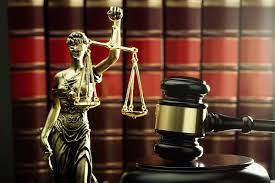
The judicial system stands as a pillar of modern society, quietly shaping the lives of citizens and ensuring that the rule of law is more than an abstract promise. But for many, the structure and function of the courts remain veiled in mystery, only glimpsed through news headlines, television dramas, or the rare occasion of jury duty. This blog aims to unravel the workings of the judicial system, from its basic building blocks to its far-reaching impacts on everyday life.
The Purpose and Foundations of the Judicial System
At its core, the judicial system is designed to resolve disputes, interpret laws, and uphold justice in accordance with the constitution and statutes of the land. It acts as the arbiter between individuals, organizations, and even the government, ensuring that no one stands above the law. The judicial branch is one of three co-equal branches of government, alongside the legislative and executive branches, and serves as a check and balance on the exercise of power.
Key objectives of the judicial system include:
- Providing a peaceful and orderly means of resolving conflicts
- Protecting the rights and liberties of individuals
- Maintaining social order and public safety
- Interpreting and applying laws consistently
- Ensuring accountability and fairness
The Structure: Tiers and Types of Courts
Most judicial systems are organized in a hierarchical manner, with several levels of courts, each with specific roles and jurisdictions. While the exact structure varies from country to country, many systems are composed of the following tiers:
Trial Courts
This is where cases begin. Trial courts, sometimes called courts of first instance, handle both civil and criminal cases. They hear evidence, assess witness credibility, and make determinations of fact and law. In criminal cases, a judge or jury decides whether the accused is guilty or not guilty. In civil cases, the court resolves disputes between individuals or entities, often involving contracts, property, or family matters.
Appellate Courts
If a party is dissatisfied with the outcome at the trial level, they may appeal to a higher court, called an appellate or appeals court. These courts do not re-examine the facts but review the application of the law and legal procedures to ensure fairness and correct interpretation. They have the power to affirm, reverse, or remand cases back to lower courts.
Supreme or High Courts
At the top of the hierarchy sits the supreme or high court, the ultimate authority on legal questions within a jurisdiction. This court has the final say on constitutional interpretation and can set binding precedents for all lower courts. The supreme court typically selects a small number of cases with broad legal or societal implications.
Specialized Courts
In addition to the general court hierarchy, many systems include specialized courts that focus on particular issues, such as:
- Family courts (handling divorce, child custody, and adoption)
- Juvenile courts (dealing with offenses committed by minors)
- Bankruptcy courts (overseeing insolvency matters)
- Tax courts (handling disputes involving taxation)
- Military courts (for offenses by armed forces personnel)
Who Makes the System Work? The Main Players
Judges: The impartial and authoritative figures who preside over court proceedings, interpret the law, rule on motions, and, in some cases, deliver verdicts and sentences.
Juries: In many criminal and civil cases, a jury of peers is tasked with listening to the evidence and determining the facts of the case, leaving the application of the law to the judge.
Prosecutors: Lawyers representing the government in criminal cases, responsible for bringing charges and proving the defendant’s guilt beyond a reasonable doubt.
Defense Attorneys: Legal advocates for those accused of crimes, ensuring their clients’ rights are protected and providing a counterbalance to the prosecution.
Plaintiffs and Defendants: In civil cases, the plaintiff is the party bringing the lawsuit, while the defendant is the party being sued.
Clerks and Court Staff: The administrative backbone, managing case files, court records, and logistics.
Witnesses and Experts: Individuals called to provide testimony or specialized knowledge relevant to the case.
The Process: How Cases Move Through the System
Let’s follow a typical case from its origin to resolution:
1. Initiation
A case begins when a party files a complaint (civil) or a charge is brought for an alleged crime (criminal). The court assigns a case number, and the relevant documents are served to opposing parties.
2. Pre-Trial Proceedings
Both sides gather evidence through a process called discovery. Motions may be filed to resolve issues before trial, such as dismissing certain charges or compelling evidence. In criminal cases, there may also be arraignments and preliminary hearings.
3. Trial
The trial is the stage where evidence is presented, witnesses are examined, and arguments are made before a judge or jury. Rules of evidence and procedure ensure fairness and protect the rights of the parties involved.
4. Verdict and Judgment
After hearing all the evidence, the judge or jury delivers a verdict. In criminal cases, this is typically “guilty” or “not guilty.” In civil cases, the verdict states which party prevails and may include financial compensation or injunctions.
5. Appeals
If a party believes a legal error affected the outcome, they may appeal to a higher court. The appellate court reviews the lower court’s proceedings for fairness and legal correctness, often resulting in affirmation, reversal, or remand for a new trial.
Principles That Guide the System
The judicial system operates according to foundational principles, including:
- Presumption of Innocence: In criminal cases, the accused is considered innocent until proven guilty.
- Right to a Fair Trial: Every party is entitled to a hearing before an impartial judge or jury.
- Due Process: Legal proceedings must follow established rules and respect individual rights.
- Equality Before the Law: All individuals, regardless of status, are subject to the same laws and protections.
- Transparency and Accountability: Courts are generally open to the public, and judges must provide reasons for their decisions.
Challenges Faced by the Judicial System
No system is without flaws or growing pains. Modern judicial systems contend with challenges such as:
- Backlogs: Overloaded dockets can delay justice for months or years.
- Access to Justice: Legal representation and court costs can be prohibitive for some individuals.
- Bias and Discrimination: Despite principles of equality, implicit bias can affect outcomes.
- Technological Change: Cybercrime, digital evidence, and remote proceedings require adaptation.
- Public Perception: Trust in the system depends on transparency and consistent fairness.
The Importance of Judicial Independence
A robust judicial system relies on the independence of its judges and courts. This means judges must be free from external pressures, political influence, or personal interests that could sway their rulings. Safeguards such as secure tenure, transparent appointments, and clear ethical guidelines help preserve this independence.
How Citizens Interact with the System
Most people encounter the judicial system at some point in life, whether as jurors, litigants, witnesses, or simply as observers. Civic education and public engagement help demystify court processes and build trust in the system’s integrity. Understanding one’s rights and responsibilities is crucial in navigating the legal landscape.
Conclusion: The Living System of Justice
The judicial system is not a static institution, but a living framework that evolves with society. It is built on centuries of legal tradition, shaped by foundational documents, and refined by the wisdom of judges and lawmakers. At its best, it serves as the ultimate guardian of justice, ensuring that all individuals—no matter their station—can seek redress, assert their rights, and trust that fairness will prevail. The more we understand the machinery of justice, the more empowered we become as citizens, participants, and stewards of an equitable society.
GNP
 Glenda Norwood Petz, Author
Leave a comment