 by
by 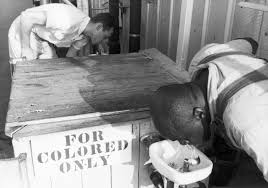
Exploring the Roots and Consequences of Division in Society
What Is Segregation?
Segregation refers to the practice of separating people based on differences such as race, ethnicity, religion, or social class. Historically, segregation has been enforced through laws, social customs, and institutional practices, resulting in divided communities and unequal access to resources.
The History of Segregation
Segregation has deep roots in history, particularly in the United States. After the abolition of slavery in 1865, many states implemented “Jim Crow” laws that mandated the separation of Black and white Americans in schools, transportation, housing, and public facilities. This legal segregation persisted well into the 20th century, shaping the lives of millions.
Globally, segregation has taken various forms, including apartheid in South Africa, caste systems in India, and religious divisions in different regions. These systems were designed to maintain social hierarchies and restrict the movement and opportunities of certain groups.
The Impact of Segregation
The effects of segregation are profound and long-lasting. Segregated societies often experience disparities in education, employment, health care, and housing. For example, schools in segregated neighborhoods typically receive less funding, leading to lower educational outcomes and limited future prospects for students.
Segregation also reinforces stereotypes and prejudices, perpetuating cycles of discrimination and social exclusion. The psychological toll on individuals who are marginalized can include lower self-esteem, increased stress, and a sense of isolation.
Modern-Day Segregation
While overt legal segregation has largely been abolished, de facto segregation still exists. Many cities in the United States and around the world remain divided along racial and economic lines. Factors such as housing policies, school zoning, and income inequality continue to create barriers between communities.
Modern segregation is often more subtle but no less damaging. The persistence of “redlining”—the discriminatory practice of denying services to residents of certain areas based on race—has led to lasting economic and social inequality.
Efforts to Overcome Segregation
Many activists, organizations, and policymakers have worked to dismantle segregation and promote integration. Landmark legislation such as the Civil Rights Act of 1964 and the Fair Housing Act of 1968 aimed to end legal segregation and combat discrimination.
Community initiatives, educational reforms, and advocacy are essential in bridging divides and creating inclusive environments. Promoting diversity, equity, and inclusion in workplaces, schools, and public spaces helps foster understanding and cooperation among different groups.
What Can We Do?
- Educate Yourself and Others: Learning about the history and impact of segregation is the first step toward change.
- Support Inclusive Policies: Advocate for laws and practices that promote equal access and opportunity.
- Engage in Dialogue: Conversations across differences help build empathy and break down barriers.
- Participate in Community Initiatives: Volunteer and support local organizations working to bridge divides.
Conclusion
Segregation remains a significant challenge, leaving lasting scars on individuals and communities. Understanding its history and impact is essential for creating a more just and inclusive society. By working together to promote integration and equality, we can move closer to a future where all people are valued and have the opportunity to thrive.
GNP
 Glenda Norwood Petz, Author
Leave a comment