The American Civil War: A Defining Moment in U.S. History
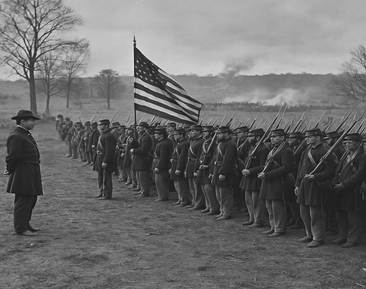
Understanding the Causes, Events, and Legacy of the Nation’s Greatest Conflict
Introduction
The American Civil War, fought from 1861 to 1865, remains one of the most pivotal chapters in the history of the United States. More than just a battle between North and South, it was a struggle over the very definition of freedom, the future of the nation, and the rights of individuals. While the war ended more than 150 years ago, its impact continues to shape American society, politics, and culture.
Causes of the Civil War
The roots of the Civil War can be traced to longstanding tensions between the Northern and Southern states. At the heart of the conflict were disputes over slavery, states’ rights, and economic differences. The Southern economy depended heavily on slave labor, while many Northern states had abolished slavery and favored a more industrialized economy. The election of Abraham Lincoln in 1860, who opposed the expansion of slavery, was the final straw for many Southern states, leading them to secede from the Union.
Major Events and Battles
The war officially began on April 12, 1861, when Confederate forces fired on Fort Sumter in South Carolina. What followed was a series of bloody battles, including Antietam, Gettysburg, and Shiloh, that claimed the lives of hundreds of thousands of soldiers and civilians. The Emancipation Proclamation, issued by President Lincoln in 1863, declared freedom for slaves in Confederate-held territory, turning the war into a fight for human rights as well as national unity.
Life During the War
For those living through the Civil War, daily life was fraught with uncertainty and hardship. Soldiers endured harsh conditions in camps and on the battlefield, while civilians coped with shortages, loss, and destruction. Women played crucial roles as nurses, spies, and caretakers, while enslaved people seized the opportunity to escape and fight for their freedom.
The End of the War and Its Aftermath
The war came to an end on April 9, 1865, when Confederate General Robert E. Lee surrendered to Union General Ulysses S. Grant at Appomattox Court House. The victory preserved the Union and led to the abolition of slavery through the Thirteenth Amendment. However, the post-war period, known as Reconstruction, brought new challenges as the nation struggled to heal and redefine itself. Racial tensions, economic difficulties, and political disputes persisted, shaping the course of American history for generations to come.
The Civil War’s Legacy
The Civil War’s legacy is complex and enduring. It transformed the United States, paving the way for civil rights movements and setting the stage for ongoing debates about equality and justice. Monuments, literature, and popular culture continue to reflect on the war’s heroes and tragedies, reminding us of the sacrifices made and the lessons learned.
Conclusion
The American Civil War was more than a military conflict; it was a turning point for the nation. By understanding its causes, key events, and lasting legacy, we gain insight into the struggles and triumphs that have shaped the United States. As we remember those who lived, fought, and died during this tumultuous time, we are reminded of the power of unity, resilience, and the pursuit of freedom.
GNP
 Glenda Norwood Petz, Author