The American Revolution: Birth of a Nation
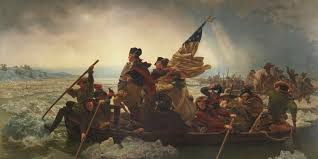
Exploring the Causes, Key Events, and Lasting Impact of America’s Fight for Independence
Introduction
The American Revolution stands as one of the most defining moments in world history, marking the birth of the United States as an independent nation. Spanning from 1775 to 1783, this transformative conflict was not only a military struggle but also a revolution in political ideas, society, and the meaning of freedom. In this blog, we’ll journey through the origins, major battles, influential figures, and lasting legacy of the American Revolution.
Causes of the American Revolution
Before the first shots were fired at Lexington and Concord, tensions had been simmering for years between the thirteen American colonies and Great Britain. Several key factors contributed to the outbreak of revolution:
- Taxation Without Representation: The British government imposed taxes like the Stamp Act (1765) and the Townshend Acts (1767), sparking outrage among colonists who had no representation in Parliament.
- Limits on Colonial Expansion: The Proclamation of 1763 restricted westward expansion, frustrating colonists eager for new land.
- Growing Sense of Identity: Over generations, colonists developed a distinct American identity, feeling increasingly distant from Britain.
- Enlightenment Ideas: Philosophers such as John Locke inspired calls for liberty, self-government, and human rights.
Major Events and Battles
The American Revolution was punctuated by dramatic events and epic battles that shaped its outcome:
- Boston Tea Party (1773): Colonists protested British taxation by dumping tea into Boston Harbor, igniting tensions.
- First Shots at Lexington and Concord (1775): The conflict began when British troops clashed with colonial militia, heralding the start of war.
- Declaration of Independence (1776): On July 4, the Continental Congress adopted the Declaration, written primarily by Thomas Jefferson, asserting the colonies’ right to self-rule.
- Battle of Saratoga (1777): A turning point, this American victory convinced France to join the war as an ally.
- Winter at Valley Forge (1777-78): Despite harsh conditions, the Continental Army emerged more disciplined under General George Washington’s leadership.
- Siege of Yorktown (1781): The final major battle, where British General Cornwallis surrendered, effectively ending the war.
Key Figures in the Revolution
- George Washington: Commander-in-Chief of the Continental Army, Washington’s leadership was crucial to victory.
- Thomas Jefferson: Principal author of the Declaration of Independence and influential political thinker.
- Benjamin Franklin: Diplomat who secured French support and helped negotiate peace.
- King George III: Monarch of Britain during the Revolution, whose policies fueled colonial discontent.
Legacy and Impact
The American Revolution’s impact resonates to this day. It led to the creation of the United States Constitution, inspired democratic movements worldwide, and established ideals of liberty and equality. The revolution also had profound effects on Native Americans, enslaved people, and women, sparking ongoing debates about rights and freedom.
While the struggle for full equality continues, the American Revolution remains a powerful symbol of the fight for self-determination and the belief that people should have a voice in their government.
Conclusion
The American Revolution was more than a war—it was a radical transformation of society and government. Its story is filled with courage, sacrifice, and visionary ideas that continue to shape the United States and inspire people around the world. Whether you’re a history buff or just curious, understanding the Revolution helps us appreciate the freedoms and responsibilities that come with living in a democracy.
GNP
 Glenda Norwood Petz, Author