The Legacy of Jim Crow: Understanding Its Impact on American Society
Exploring the History, Effects, and Ongoing Relevance of Jim Crow Laws

Introduction
The term “Jim Crow” refers to a period in American history characterized by institutionalized racial segregation and discrimination, primarily targeting African Americans in the Southern United States. The name originates from a minstrel show character, but it became synonymous with the laws and policies that enforced racial inequality from the late 19th century through the mid-20th century.
Origins of Jim Crow
After the end of Reconstruction in 1877, Southern states began enacting laws and practices designed to maintain white supremacy and disenfranchise Black citizens. These laws, known collectively as Jim Crow laws, affected nearly every aspect of life—including education, transportation, public accommodations, and voting rights. They were justified under the guise of “separate but equal,” a concept solidified by the Supreme Court’s 1896 decision in Plessy v. Ferguson, which upheld state segregation laws.
Examples of Jim Crow Laws
- Segregated schools, hospitals, and public spaces
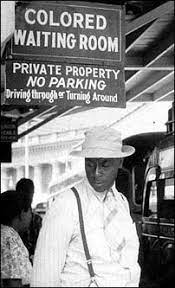
- Separate water fountains, restrooms, and entrances for Black and white people
- Restrictions on voting, such as literacy tests, poll taxes, and grandfather clauses
- Prohibition of interracial marriage
- Unequal access to jobs, housing, and services
Effects on African Americans
Jim Crow laws created an environment of fear, humiliation, and oppression for African Americans. They were denied basic civil rights, economic opportunities, and the ability to participate freely in society. The laws contributed to poverty, limited educational attainment, and a legacy of distrust between communities. Segregation also fostered violence and intimidation, including the widespread use of lynching and other forms of extralegal punishment.
The Fight to End Jim Crow
Resistance to Jim Crow began early, with individuals and organizations challenging injustice through legal battles, boycotts, and activism. The National Association for the Advancement of Colored People (NAACP) played a pivotal role in fighting segregation, culminating in landmark cases such as Brown v. Board of Education (1954), which declared school segregation unconstitutional. The Civil Rights Movement of the 1950s and 1960s, led by figures like Martin Luther King Jr., Rosa Parks, and many others, mobilized Americans of all backgrounds to demand equality, resulting in the Civil Rights Act of 1964 and the Voting Rights Act of 1965.
Jim Crow’s Lasting Legacy
Although Jim Crow laws were officially dismantled decades ago, their legacy persists. Racial disparities in education, employment, housing, and criminal justice continue to affect communities across the United States. Understanding the history of Jim Crow helps explain current challenges and underscores the importance of ongoing efforts to achieve true equality.
Conclusion
Jim Crow represents a dark chapter in American history, but it is also a testament to the resilience and courage of those who fought for justice. By remembering this era and teaching its lessons, we can work toward a more inclusive and equitable society for all.
GNP
 Glenda Norwood Petz, Author